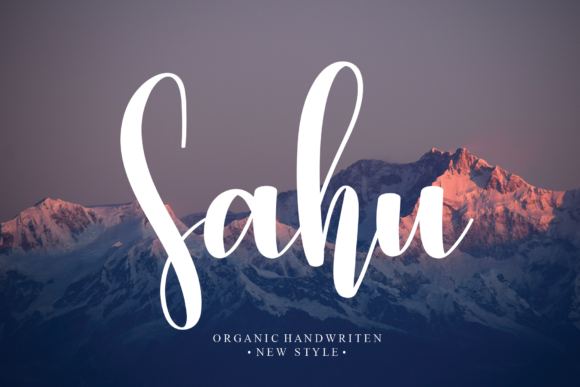
Sahu: A Refined Script Font for Modern Web Design
In the crowded landscape of digital experiences, the choice of typeface often dictates the first impression a user forms about a brand. As designers, we constantly search for typography that balances aesthetic appeal with functional clarity. Enter Sahu, a beautiful and refined script font designed to bring a classy, elegant, and modern look to digital interfaces. Unlike many decorative scripts that sacrifice legibility for style, Sahu offers a sophisticated character set that performs exceptionally well in high-stakes web environments, from luxury e-commerce stores to personal coaching portfolios.
The Visual Personality of Sahu in Digital Layouts
When evaluating a new typeface for a client project, I always look for versatility within a specific style category. Sahu falls squarely into the realm of premium script fonts, yet it avoids the overly ornate pitfalls that can clutter a clean UI. Its strokes are fluid and confident, mimicking the natural rhythm of high-end calligraphy while maintaining the structural integrity needed for screen rendering. This makes it an ideal candidate for brands aiming to communicate trust, exclusivity, and artistic flair.
In the context of web design, Sahu acts as a powerful visual anchor. It possesses a distinct personality that elevates plain text into a design element. Whether you are building a landing page for a boutique wedding planner or a SaaS platform targeting creative professionals, this script font introduces a human touch that rigid geometric sans-serifs cannot achieve. The curves are smooth, ensuring that even at smaller sizes, the characters remain distinguishable, which is crucial for maintaining readability across different devices.
Strategic Placement: Hero Sections and Headlines
The most effective use of Sahu is undoubtedly in hero sections and primary headlines. In a conversion-focused layout, the hero area must capture attention instantly. Using Sahu for the main value proposition creates immediate visual interest. Imagine a product landing page where the headline "Crafted for Elegance" appears in Sahu against a dark, moody background. The contrast between the refined script and the solid backdrop draws the eye, guiding the user's scanning behavior toward the call-to-action button below.
However, restraint is key. Because Sahu is a display-style script, it should generally be reserved for short phrases, titles, and logos rather than long paragraphs. Attempting to use it for body copy will disrupt the reading flow and reduce accessibility. Instead, pair it with a simple, neutral sans serif font for the main content. This combination establishes a clear visual hierarchy, allowing the Sahu headers to pop while the supporting text remains easy to scan. This approach is particularly effective for editorial design on blogs or magazine-style websites where the tone needs to feel both professional and inviting.
Enhancing Brand Identity and Trust Online
Typography is a silent ambassador of your brand. For online store owners and digital product creators, consistency in font usage builds recognition and trust. Sahu serves as a cornerstone for a cohesive brand identity. When used consistently across social media graphics, email newsletters, and website banners, it reinforces the brand's voice. A logo designed with Sahu immediately signals quality and attention to detail, setting expectations for the user before they even interact with the site's functionality.
Consider a scenario involving a high-end jewelry brand or a luxury real estate agency. These sectors rely heavily on perceived value. By integrating Sahu into their digital assets, these businesses can differentiate themselves from competitors using generic system fonts. The elegance of the script suggests craftsmanship and care, traits that directly influence purchasing decisions. Furthermore, in logo design, Sahu provides a unique silhouette that stands out in app icons, favicons, and browser tabs, ensuring the brand remains memorable in a user's mind.
Readability and Responsive Design Considerations
One of the primary concerns when implementing script fonts on the web is mobile responsiveness. With the majority of web traffic coming from smartphones, every pixel counts. Sahu is engineered to maintain its character even when scaled down, but designers must still exercise caution. On mobile screens, ensure that line heights are generous enough to prevent descenders and ascenders from colliding. Avoid using the font for small buttons or navigation links unless the viewport is large enough to accommodate the intricate details without blurring.
For responsive layouts, consider using Sahu for desktop-only decorative elements if necessary, or stick to larger point sizes for mobile headlines. Testing on various background colors is also essential. While Sahu looks stunning on light backgrounds, it retains excellent legibility on dark modes provided the color contrast ratio meets accessibility standards. In image overlays, adding a subtle drop shadow or a semi-transparent background behind the text can further enhance readability without compromising the aesthetic.
Mastering Font Pairing for Web Projects
To maximize the impact of Sahu, understanding font pairing is critical. The goal is to create harmony, not competition. Since Sahu is a complex, flowing script, it pairs best with clean, unadorned typefaces. A modern sans serif font like Inter, Roboto, or Open Sans works beautifully for body text, providing a neutral canvas that lets the script shine. Alternatively, for a more traditional or editorial feel, a classic serif font can complement the organic nature of Sahu, creating a timeless digital identity suitable for law firms, literary blogs, or heritage brands.
Avoid pairing Sahu with other decorative or script fonts, as this creates visual noise and confuses the user. Stick to one dominant display font and one supportive utility font. This rule applies across all digital touchpoints, from social media posts to digital ads. Consistency in pairing ensures that your brand feels unified whether a user is scrolling through Instagram or browsing your checkout page.
Technical Implementation and Licensing
From a technical standpoint, Sahu is built for the modern web. When sourcing this commercial font, ensure you have access to webfont formats such as WOFF2 and WOFF, which are optimized for fast loading times and broad browser compatibility. Fast load speeds are vital for SEO and user retention; a heavy font file can slow down your site and increase bounce rates. Check if the package includes multiple weights or alternates, as these can add variety to your design system without requiring additional downloads.
Licensing is another crucial aspect for professional designers. If you are using Sahu for client projects, online stores, or digital templates, verify the license terms. Most premium fonts require specific licenses for web usage, especially if the site generates revenue or hosts a large number of visitors. Ensure you have the right to embed the font on unlimited pages or domains as required by your project scope. Using a properly licensed font protects both you and your client from legal issues and supports the creators who develop these essential design assets.
Real-World Applications for Digital Creators
The versatility of Sahu extends across various digital niches. For a creative portfolio, it can serve as the signature header that defines the artist's style. In a course sales page, it can highlight testimonials or key benefits, adding a personal touch that connects the instructor with the student. For packaging design displayed on e-commerce sites, Sahu can be used in mockups to simulate the look of physical labels, enhancing the perceived value of the product.
Whether you are crafting a wedding invitation website, designing a banner for a fashion launch, or updating the branding for a startup, Sahu offers the refinement needed to stand out. It bridges the gap between handwritten charm and digital precision, making it an indispensable tool in the toolkit of any forward-thinking UI designer. By leveraging its elegance strategically, you can create web experiences that are not only visually stunning but also deeply engaging and trustworthy.